
Back to News & Insights
How to Scale Mobile Automation Without Multiplying Complexity
The first mobile automation application can be relatively straightforward.
The fifth may not be.
As automation expands across a facility, more vehicles, workflows and technologies can mean more systems to manage. What began as a way to simplify material movement can introduce a new challenge: automation complexity.
Scaling successfully requires more than adding vehicles. It requires a strategy for making the entire automation environment work together.
Scaling Isn’t the Same as Adding
Imagine starting with AGVs moving pallets between production and storage.
The system succeeds, so the next application follows. Then another department identifies an opportunity. A different vehicle type fits that application better. Another supplier brings capabilities the operation needs.
Each project may make sense individually.
Together, however, they can create separate fleets, interfaces, traffic rules and data environments.
The question changes from Where else can we automate? to How do we make all of this work as one system?
Give Different Technologies a Common Direction
A scalable automation strategy shouldn’t require every application to use identical technology.
Different jobs may call for different vehicles. And the best solution for one workflow may come from a different manufacturer than the best solution for another.
The opportunity is to coordinate those technologies at a higher level.
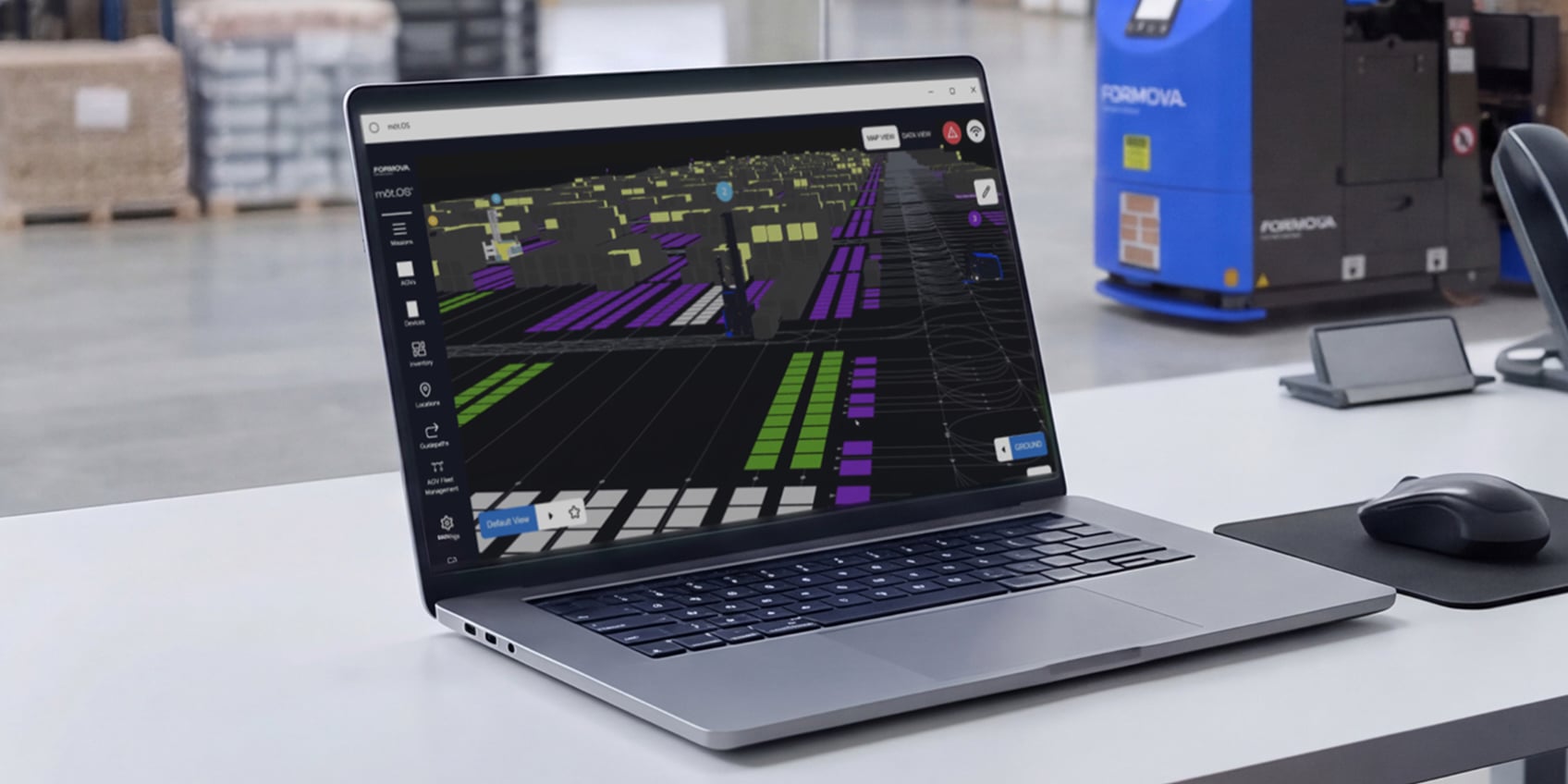
FORMOVA’s mōt.OS® motion operating system is designed to orchestrate multiple fleets from multiple manufacturers through a common platform.
That creates greater flexibility in how automation can grow while giving teams a more unified view of material movement.
Scale the Intelligence with the Fleet
As the number of automated moves increases, so does the number of decisions the system has to make.
- Which task has priority?
- Which vehicle should perform it?
- How should traffic be coordinated?
- What happens when conditions change?
Those decisions are where software becomes central to scalability.
Instead of simply directing vehicles, orchestration software can help coordinate how resources work together across the facility.
That allows the intelligence behind the system to expand along with the physical automation.
Avoid Designing Yourself Into a Corner
Scalability is easiest when it’s considered before it’s needed.
That doesn’t mean buying equipment today for applications that may be years away. It means creating an architecture that leaves room for change.
A scalable approach can make it easier to incorporate new vehicle types, applications and technologies without rebuilding the automation environment around every addition.
One Automation Strategy. More Ways to Move
FORMOVA calls this Total Automation Intelligence—combining mobile automation technology, intelligent orchestration, integration expertise and lifecycle support around the needs of the entire operation.
It gives organizations the freedom to think beyond the next vehicle or application and build toward something bigger: An automation environment that keeps getting smarter as it grows.