
How to Know Where Mobile Automation Will Make the Biggest Impact
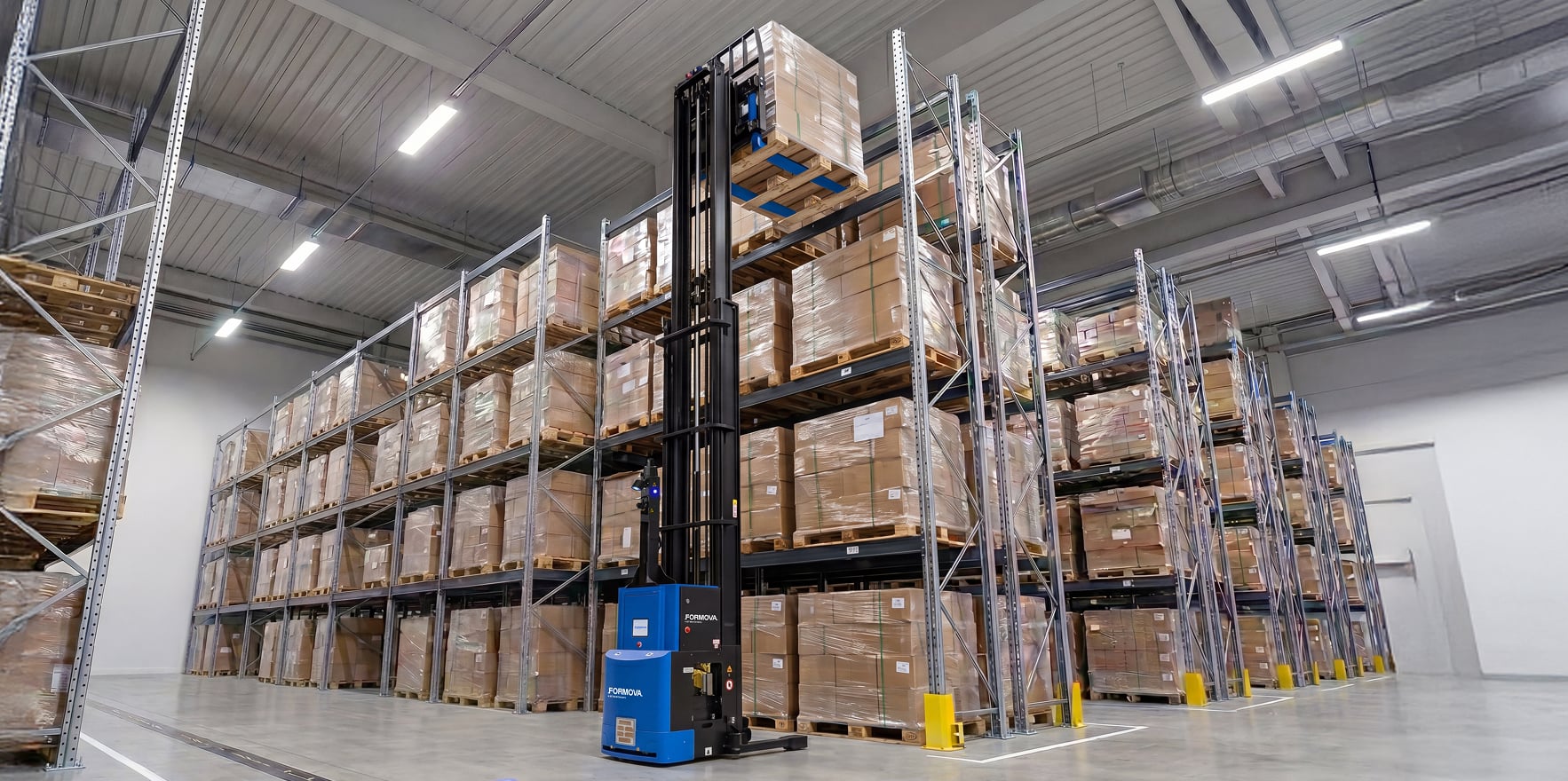
Once a company decides to explore mobile automation, one of the first questions is often also one of the hardest: Where should we start?
There may be dozens—or hundreds—of material moves happening across a manufacturing facility or warehouse every day. Automating all of them at once usually isn’t realistic or necessary.
The better approach is to identify where automation can make a meaningful operational difference.
Here are some of the places to look.
Look for Repetitive, Predictable Movement
Some material moves happen again and again.
Pallets travel from production to storage. Components move from a warehouse to the line. Finished goods move to staging. Materials follow the same routes throughout a shift.
When the movement itself is highly repetitive and predictable, it may be a strong candidate for mobile automation.
AGVs and AMRs can take on these routine transport tasks, creating more consistent material flow while freeing employees from spending significant portions of their day simply moving things from one location to another.
The more frequently a move occurs, the greater the opportunity may be.
Find the Forklift Traffic That Doesn’t Need to Be There
Forklifts play an essential role in many operations. But not every forklift move requires the flexibility and decision-making of a human operator.
Look at where forklifts are making the same trips repeatedly throughout the day.
Are operators spending significant time transporting loads between two fixed points? Are heavily traveled routes creating congestion? Are forklifts frequently moving through areas shared with pedestrians or other equipment?
Automating appropriate repetitive moves can help reduce unnecessary forklift traffic while allowing manual equipment and operators to focus on tasks that genuinely require them.
Pay Attention to Where Materials Wait
Material movement problems don’t always look like movement problems. Sometimes they look like waiting.
A production process may pause because the next load hasn’t arrived. Finished goods may accumulate because transportation to staging isn’t keeping pace. Employees may spend time waiting for a forklift to become available.
These delays can reveal where material flow is dependent on transportation that isn’t happening when it needs to.
Mobile automation can create a more reliable connection between processes, helping materials arrive where they are needed when they are needed.
Look at How People Are Spending Their Time
One of the most useful questions to ask is simple: How much employee time is being spent moving materials?
In many facilities, skilled employees routinely step away from higher-value responsibilities to transport pallets, components, ingredients, packaging or finished goods.
Those individual trips may not seem significant. Across multiple employees, shifts and days, however, they can add up.
Mobile automation can help shift repetitive transportation away from employees and give teams more time to focus on production, quality, maintenance, problem-solving and other work that benefits from human expertise.
Consider the Moves That Affect Everything Around Them
Not every material move has the same impact on the operation.
A delayed move in one area may be inconvenient. In another, it could slow production, leave a workstation without material or create congestion that affects multiple processes.
That makes operational importance another factor when prioritizing automation opportunities.
Look for material moves that other processes depend on. Improving the reliability of those movements can have an impact well beyond the transportation task itself.
Don’t Evaluate the Route in Isolation
A promising route is only part of the picture.
Before determining whether an application is right for mobile automation, companies also need to understand the environment around it.
What is being moved? Where does it need to go? What traffic will the vehicle encounter? Will it need to interact with doors, conveyors or production equipment? How do material requirements change throughout the day?
Looking at the complete workflow helps determine not only whether automation makes sense, but what kind of automation is best suited to the application.
Start Where Automation Can Solve a Real Operational Need
The best place to automate isn’t necessarily the busiest route, the longest move or the process with the most obvious labor requirement.
It’s where repetitive material movement is creating a meaningful constraint—and where automation can improve how the operation works.
That’s why FORMOVA begins by understanding the material flow itself. By looking at the movement of materials in the context of the larger operation, we can help identify opportunities and determine the mobile automation technology, software and integration approach best suited to each application.