
What Happens After You Decide To Automate?
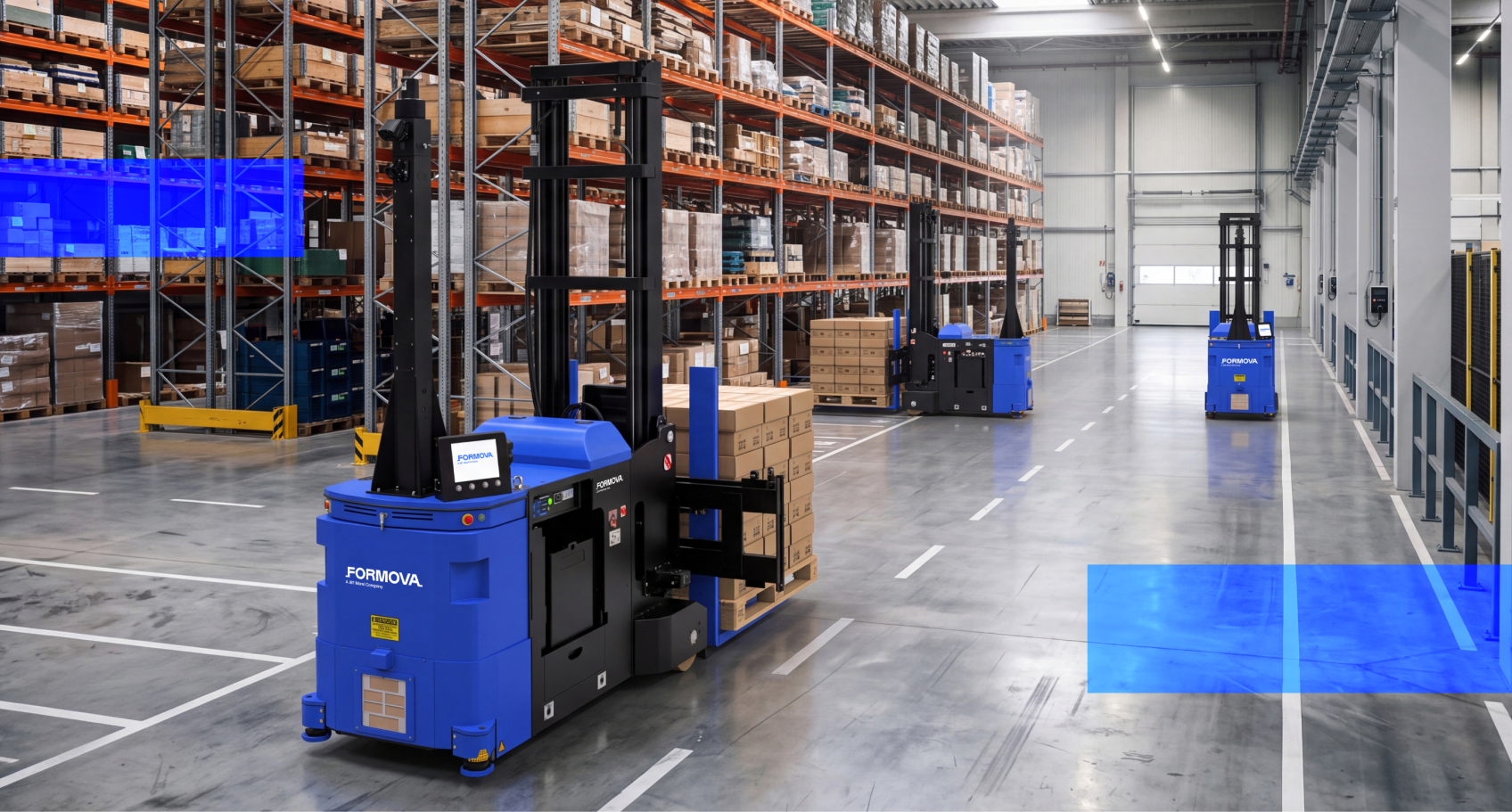
You’ve identified an opportunity for mobile automation. Maybe forklifts are making the same trip hundreds of times a day, employees are spending too much time moving materials, production is waiting for deliveries, or an existing process simply isn’t keeping pace with the operation.
You know there’s a better way to move. So, what happens next?
Moving from an opportunity to a working mobile automation system requires more than choosing an AGV or AMR. It means understanding the application, the environment around it, and everything the technology will need to do once it is operating in the real world.
Here’s what that process can look like.
Start With the Material Move
Before selecting technology, start with the job. What needs to move? Where does it start and where does it need to go? How frequently does the move happen? How heavy or large is the load? How does demand change throughout the day? The answers help define what the automation actually needs to accomplish.
But it’s also important to understand why the move matters. A route supplying a production line may have very different requirements than one moving finished goods into warehouse staging. One may prioritize precise timing, while another may need to accommodate changing volumes or destinations.
Understanding the material move in the context of the larger operation creates the foundation for everything that follows.
Understand the Environment Around It
A route that looks simple on paper can become much more complicated on the facility floor. People cross it, forklifts share it, doors open and close, equipment occupies space, production schedules change, and loads appear at different times.
That’s why evaluating the environment is an important part of planning a mobile automation application. The process may include looking at traffic patterns, aisle widths, pickup and drop-off locations, floor conditions, storage requirements, and other physical characteristics of the facility. It should also identify what the automation needs to interact with along the way.
The goal is to understand the actual operating environment—not an idealized version of it—so the automation can be designed around the conditions it will encounter every day.
Choose Technology Around the Application
Once the application and environment are understood, the right technology can be selected. Payload, load dimensions, required lift height, navigation requirements, travel distance, and interaction points can all influence which AGV or AMR is appropriate for the job.
And the best answer may not always be the same vehicle technology used elsewhere in the facility. Different applications can have different requirements, which is why FORMOVA takes an application-first approach to mobile automation.
By selecting the vehicle and technology around the work that needs to be done, companies have greater flexibility to build automation around their operational requirements rather than forcing every application into the same solution.
Plan the Connections
The vehicle may perform the move, but successful automation often depends on what happens around it. An AGV or AMR may need to trigger an automatic door, coordinate with a conveyor, interact with a stacker or production system, respond appropriately to a facility fire system, or know when a load is ready to be picked up.
Those connections need to be considered as part of the implementation. Software also plays a role in determining how vehicles receive tasks, navigate the facility, manage charging, and respond as conditions change.
FORMOVA’s mōt.OS® motion operating system provides teams with a view of the automation system in operation while helping optimize routing, charging, and interactions with plant systems.
Test Before You Depend on It
A mobile automation system ultimately has to work under real operating conditions, which means validating more than whether a vehicle can successfully complete its route. The complete workflow needs to perform as intended.
Pickup and drop-off processes need to work. Facility interactions need to happen correctly. Traffic needs to be managed. Exceptions need to be considered. Employees also need to understand how to work safely and effectively alongside the system.
Testing and commissioning provide an opportunity to identify issues, make adjustments, and confirm that the complete system is ready before it becomes part of everyday operations.
Deployment Isn’t the End
Once the system goes live, the operation keeps changing. Volumes may increase, new products may be introduced, routes may shift, or another area of the facility may become a candidate for automation. The automation needs to be able to keep up with those changing requirements.
Ongoing service and lifecycle support can help maintain the system as operational needs evolve, while lessons from the first application can help inform where automation goes next.
A successful implementation can therefore become more than a solution to one material movement challenge. It can become the foundation for a broader automation strategy.
From Opportunity to Operation
Mobile automation implementation involves a series of connected decisions: understanding the application, evaluating the environment, choosing the technology, planning integrations, testing the system, and supporting it once it is running.
That’s why FORMOVA looks at mobile automation as a complete system rather than simply a vehicle purchase. With mobile automation technology, mōt.OS® software, integration expertise, and lifecycle support, FORMOVA helps companies move from identifying an opportunity to putting automation into motion—and continuing to build from there.